Smart Choices for Year-Round Comfort: A Homeowner’s Field Guide to HVAC Decisions
Before diving into equipment, assess your home’s thermal profile. Square footage, insulation levels, window orientation, and air leakage all shape load demands. A proper Manual J load calculation, performed by a qualified pro, informs right-sizing and prevents short cycling. Oversized systems can create humidity swings and noise, while undersized units struggle at peak temperatures. Documenting these fundamentals early reduces guesswork and aligns expectations for performance and longevity.
Meanwhile, scope your goals beyond heating and cooling. Are there rooms that never feel right, or seasonal allergies that flare indoors? Addressing airflow balance, filtration, and humidity can matter as much as setpoint. Upgrading return air paths, sealing ducts, and improving Indoor Air Quality may deliver bigger comfort gains than simply swapping equipment. Tie these objectives to measurable outcomes like stable humidity bands and consistent room-to-room temperatures.
Beyond that, plan the installation workflow to minimize disruptions. Map access routes, attic or crawlspace clearances, and electrical panel capacity. Staging materials, pads, and condensate routing ahead of time prevents mid-day supply runs. Discuss refrigerant line hiding, drain terminations, and exterior unit placement for noise and service access. This forethought helps avoid rework, safeguards finishes, and sets technicians up to deliver a clean, verifiable install.
In practice, system type drives both comfort and lifecycle costs. Traditional split systems remain versatile, but Heat Pumps offer efficient heating and cooling from one platform, especially paired with variable-speed compressors. Ductless Mini Split options shine in additions, bonus rooms, or homes with limited duct paths. Evaluate defrost strategies, backup heat needs, and outdoor noise ratings to ensure the chosen path fits climate realities and household routines.
However, airflow is the backbone of reliable operation. Verify duct sizing and static pressure before AC Installation or Furnace Installation proceeds. High static can undermine efficiency and amplify noise. Sealing and insulating ducts where feasible preserves delivered BTUs and reduces runtime. Then, confirm proper filter media and change intervals; an oversized, low-resistance filter often stabilizes pressures and extends blower life while supporting cleaner coils.
Often, control strategies separate merely adequate systems from truly comfortable ones. Smart thermostats that modulate staging, humidity targets, and fan profiles can refine comfort without constant tinkering. Zoning, when designed with damper sizing and bypass strategy in mind, tempers hot and cold spots. Calibrate sensors away from drafts and heat sources, and validate setback schedules that reflect how your household actually occupies the space.
Next, budget with lifecycle in mind rather than sticker price alone. Initial equipment cost, utility rates, filtration upgrades, and routine HVAC Maintenance collectively determine five-to-fifteen-year outcomes. Ask for efficiency tiers with projected energy use and maintenance assumptions. Phase projects when needed: address duct sealing first, upgrade equipment second, and layer controls last. This sequencing spreads investment while protecting each step’s benefits.
Then, think about serviceability from the first design sketch. Provide clearances at air handlers and condensers for filter swaps, coil access, and electrical checks. Label circuits and refrigerant lines, and keep a binder with model numbers, warranty terms, and commissioning reports. Future AC Repair or Furnace Repair visits move faster, cost less, and avoid invasive tear-outs when technicians can quickly reach components and verify specs.
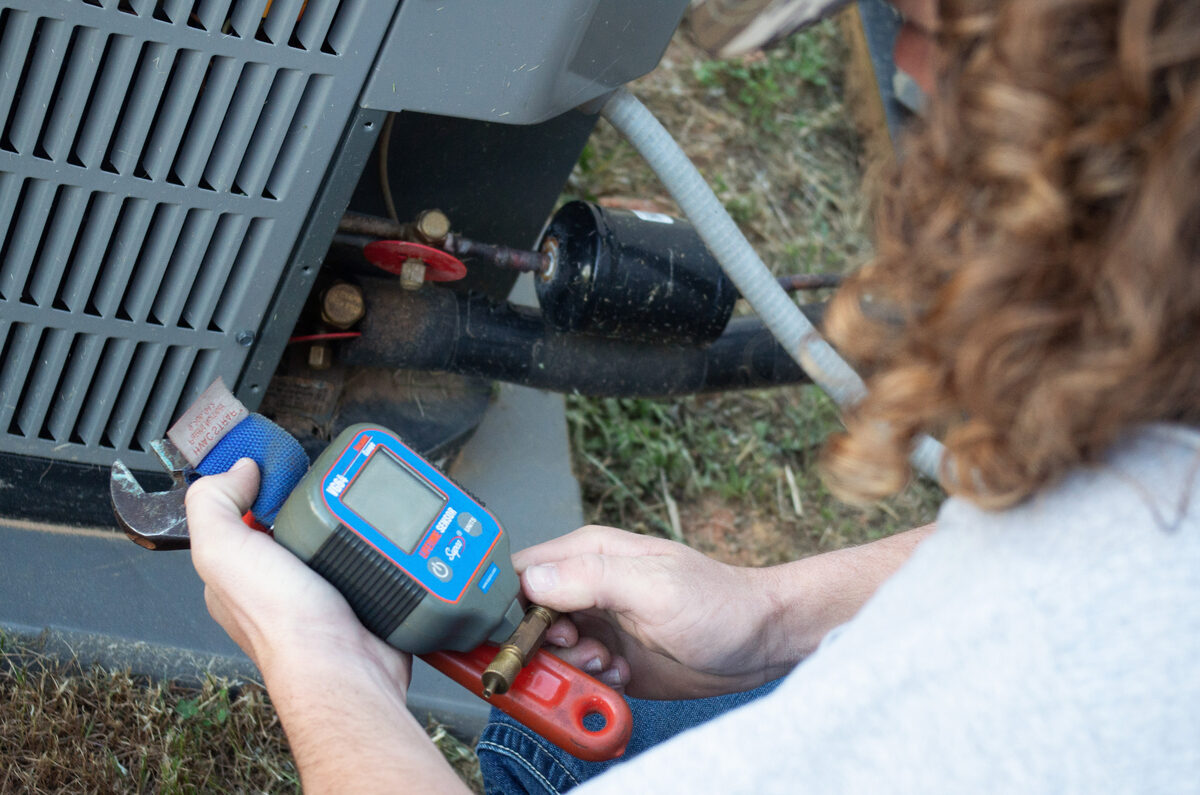
Finally, insist on commissioning, not just installation. Measure static pressure, temperature split, refrigerant superheat or subcool, and blower settings to validate design assumptions. Record baseline data and keep it on file for seasonal comparisons. As filters load and seasons shift, small adjustments can maintain comfort without waste. A habit of periodic checkups makes minor tweaks routine rather than emergency fixes, preserving reliability through peaks and lulls.
Ultimately, a thoughtful plan integrates equipment choice, duct integrity, controls, and maintenance into one coherent path. When these elements align, systems run quieter, humidity steadies, and utility bills behave. Whether you’re upgrading a legacy furnace, exploring variable-speed solutions, or adding targeted comfort with a mini split, a deliberate process helps the whole home feel right—day after day, season after season.